




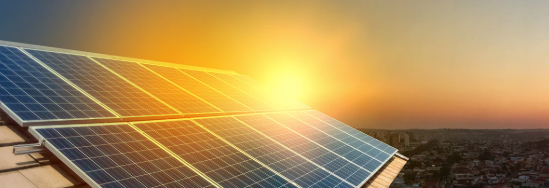
What You Need to Know Before You Buy
The news and our mailboxes are full of information on the benefits of solar power. But is it truly affordable and right for your home?
To find the answer, most homeowners first should determine whether their primary motivator in installing solar is the environment or their pocketbook. If it's the environment, then home solar installation may be worth pursuing. If it's your pocketbook, given the current technology and pricing, it's unlikely you will ultimately save money with a solar installation of your own.
Before committing to installing a solar energy system in your home, make sure you fully understand all obligations and requirements in any purchase or lease contracts. Also, check with your electric provider about any rules or requirements on solar power buyback programs and rates.
Common Myths
1. Myth: Once I install solar panels I won't have to pay a utility bill. Fact: Solar panels don't cover all your power needs. At night or on cloudy days, you will use electricity from the grid. You still might have monthly base charges from your electricity provider.
2. Myth: Installing solar panels will disconnect me from the electric grid. Fact: Unless your system is specifically designed to be totally independent, you will still be connected to the grid. It is rare to be totally disconnected.
3. Myth: For electricity I sell back to the grid, I will get paid the same price that I pay when I purchase electricity. Fact: The buyback rate is part of your contract with your electric provider. The buyback rate is usually lower than the retail price that you pay.
4. Myth: Grants or rebates from the state of Texas will greatly reduce the cost of solar panels. Fact: The State of Texas does not offer grants or rebates for installing solar panels. (Texas Tax Code 11.27 covers property tax exemptions for solar panels.)
Click here to Learn More about the PUC Solar Guide for Consumers
Need More Information?
Contact the Texas Department of Licensing and Regulation (TDLR). TDLR regulates contracts for the sale or lease of residential solar energy systems, including solar panels and solar shingles, with some limited exceptions.
https://www.tdlr.texas.gov/residential-solar-retailers/

Contact the Public Utility Commission of Texas (PUCT). The PUCT regulates the poles and wires companies that deliver power from the grid, except for city-owned utilities and electric cooperatives. The PUCT also regulates retail electric providers in areas where you can shop for your electricity plan.

Public Utility Commission of Texas Office of Public Engagement
(512)936-7343
public@puc.texas.gov


Additional Resources:

U.S. Department of Energy Homeowner's Guide to Going Solar
https://www.energy.gov/eere/solar/homeowners-guide-solar

National Renewable Energy Lab PVWatts Calculator
http://pvwatts.nrel.gov/index.php